As energy efficiency becomes increasingly paramount in modern construction, particularly in new builds, we’re rightly focusing on maximising insulation throughout our homes. However, it’s crucial to remember that thermal performance isn’t just about walls and ceilings. Smaller, often overlooked elements can significantly impact overall efficiency, leading to thermal bridges and potential issues with building control.
One area of particular concern is the thermal bridging that occurs at the junction between the floor and the wall. This is where heat can escape, compromising the building’s insulation envelope and leading to increased energy consumption.
The LABC Guidance and Perimeter Edge Insulation:
The Local Authority Building Control (LABC) has highlighted the importance of addressing this issue, recommending a perimeter edge strip with a minimum thermal resistance of 0.8 Wm²/K. This typically translates to a 25mm PIR-based insulation board around the perimeter of the room.
This requirement presents a challenge for traditional underfloor heating installations, where 8mm edge strips are often supplied by manufacturers. While these strips offer some degree of insulation, they fall short of the LABC’s recommended thermal resistance.
The Pitfalls of Omitting Edge Insulation:
Many installers, recognising the need for better insulation, opt to omit the 8mm edge insulation altogether and rely solely on the 25mm PIR board. However, this approach can lead to its own set of problems. Over-compression of the PIR board’s upstand can occur, significantly reducing its thermal resistance value and negating the intended benefits.
Furthermore, omitting the 8mm edge strip can leave the PIR board’s foil exposed to direct contact with the screed. This can lead to undesirable chemical reactions and potential damage to the insulation.
A Better Solution: Combining 25mm PIR and 8mm Edge Insulation:
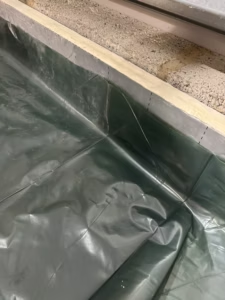
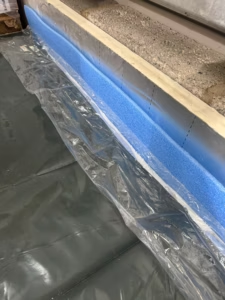
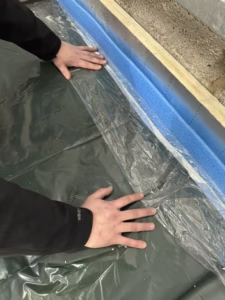
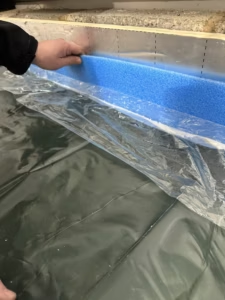
At Multipipe, we believe a more effective solution lies in combining both the 25mm PIR upstand and the 8mm edge insulation. This approach offers several key advantages:
- Enhanced Thermal Resistance: The combined insulation provides a superior thermal barrier, significantly reducing heat loss and meeting the LABC’s recommendations.
- Protection Against Over-Compression: The 8mm edge strip acts as a buffer, preventing excessive compression of the PIR board’s upstand and maintaining its thermal performance.
- Thermal Expansion Management: The blue edge insulation is specifically designed to accommodate thermal expansion, minimising the risk of damage to the screed and surrounding structures.
- Protection Against Chemical Reactions: The 8mm edge strip acts as a barrier, preventing direct contact between the screed and the PIR board’s foil, safeguarding the integrity of the insulation.
Ensuring Compliance and Optimal Performance:
By implementing this combined insulation strategy, installers can ensure compliance with building regulations while maximising the thermal performance of their underfloor heating systems. This approach not only prevents costly mistakes but also contributes to creating more energy-efficient and comfortable homes.
As we continue to prioritise energy efficiency in building design and construction, it’s essential to address even the smallest details. By paying close attention to thermal bridging at floor-wall junctions, we can create buildings that are both comfortable and sustainable.
Shop our Edge Foam Insulation now or call our friendly team to discuss your upcoming project today.